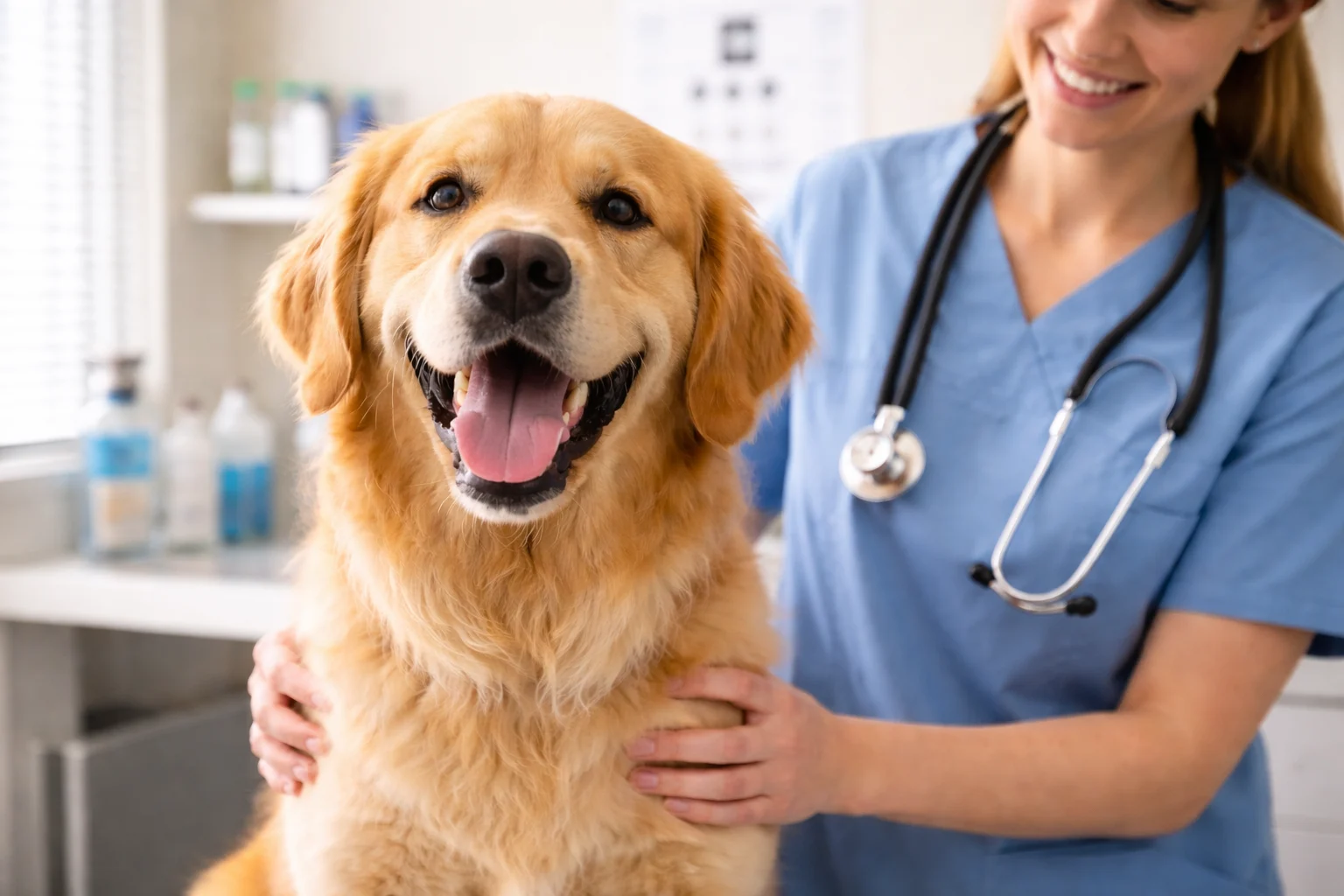
🐾 Unexpected vet bills can strike at any time
Many overpay or underinsure. Here's what savvy pet owners actually check before they sign up — from deductibles to breed fine print.
Pet insurance rarely covers pre-existing conditions. A limping puppy means orthopedic issues can be excluded forever. Every month you wait is a condition that could become permanently uninsurable. The best time was at 8 weeks. Second best? Today.

Many pet owners choose the lowest deductible. But if you can absorb a higher deductible during a claim year, your monthly premium often drops significantly. Over several years, that gap compounds meaningfully.
A plan with 70% reimbursement may look cheaper monthly than one at 90%. But on a large vet bill, the lower-reimbursement plan can leave you paying hundreds more out of pocket. The math often favors higher reimbursement — especially after a serious accident or illness.
| Scenario (Example Bill) | 70% Reimbursement | 90% Reimbursement |
|---|---|---|
| Monthly Premium | Lower | Higher (typically $10–20/mo more)* |
| Your share of a large vet bill | 30% out of pocket | Only 10% out of pocket |
| Multiple claims in a year | Gap adds up fast | Better protection |
| Best for | Healthy, low-claim pets | Many pet owners |
*Premium differences vary by provider, pet age, breed, and location. Always get a personalised quote.
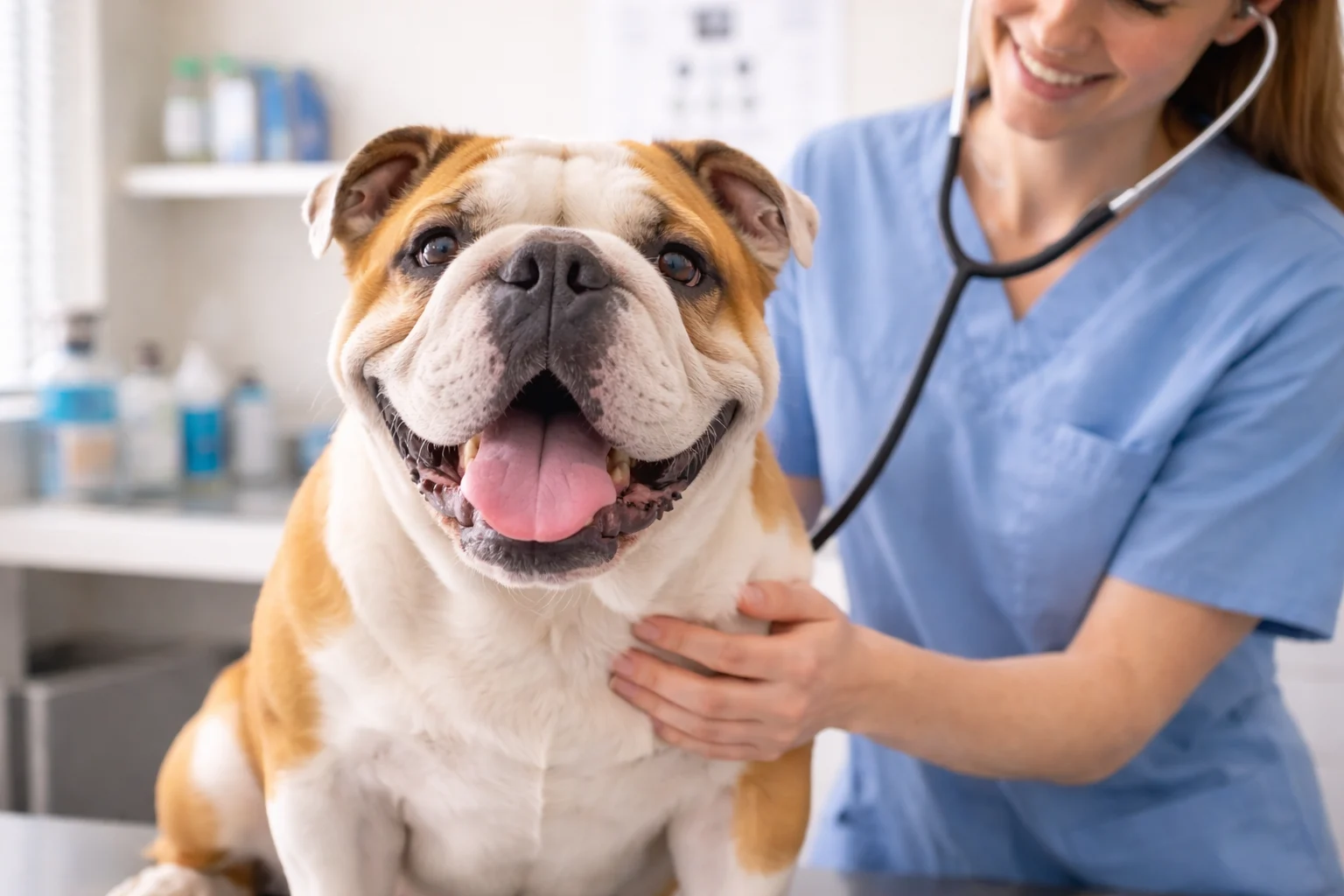
Bulldogs, Dachshunds, Great Danes, and Golden Retrievers often face orthopedic or cardiac exclusions. Some plans exclude IVDD in Dachshunds, brachycephalic syndrome in Bulldogs, and bloat in large breeds. This is buried in policy details — always request the exclusion list before enrolling.
Compare real plans from multiple providers. Takes about 60 seconds. No credit card, no commitment.
→ Get My Free Pet Insurance QuoteMany miss this one. An annual deductible resets once per year — if your dog gets hurt twice, you pay the deductible once. A per-incident deductible resets every new condition. For pets with multiple visits, annual deductibles typically cost less over time.
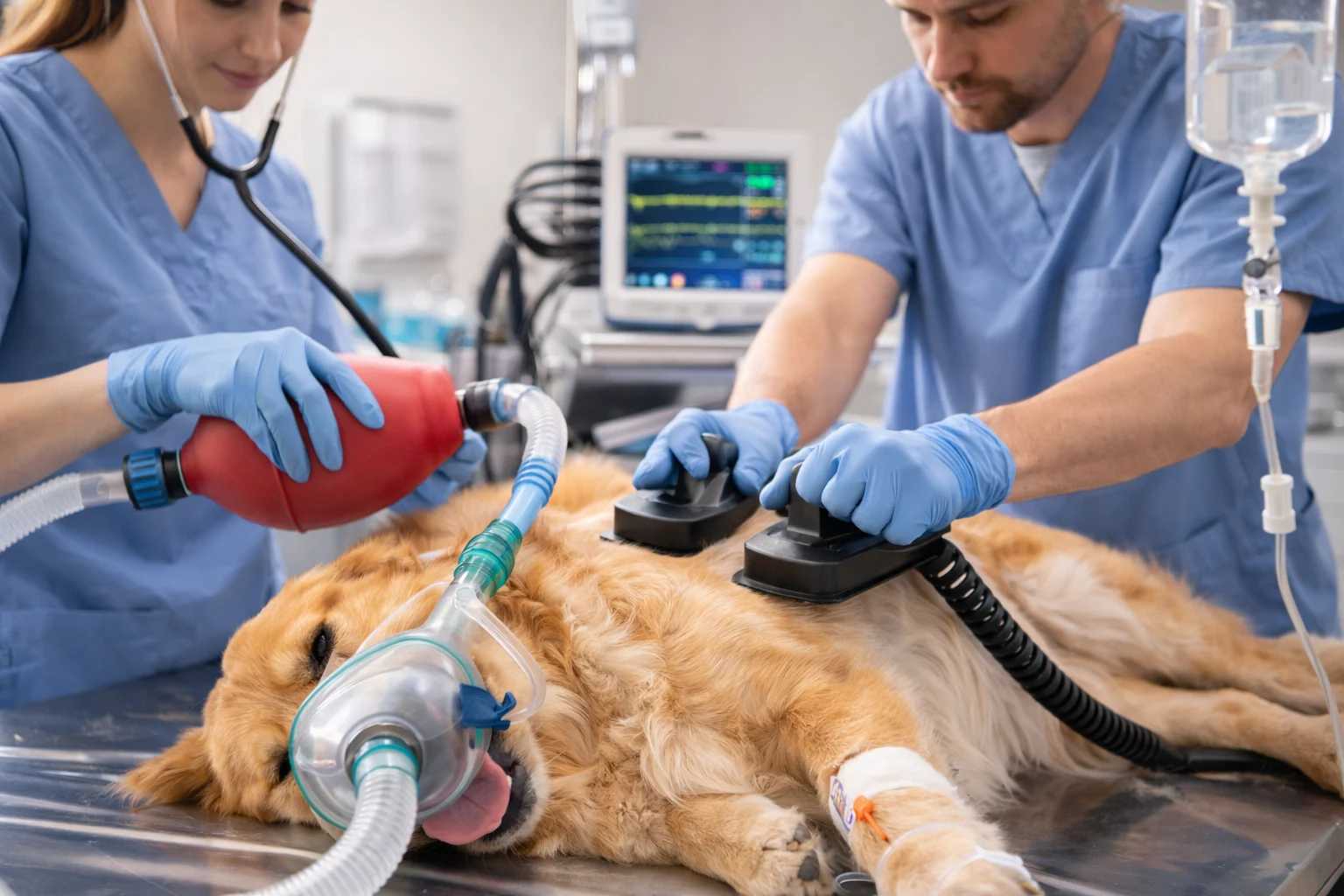
The biggest bills don't happen during business hours. ER visits, specialist referrals, MRIs, CT scans, overnight hospital stays — these can run into thousands of dollars. Confirm your plan explicitly covers emergency vet facilities and specialty hospitals, not just your primary vet.
Most carriers offer 10% off for each additional pet. If you have two or more animals, this can meaningfully reduce your total monthly cost. Ask explicitly — it's rarely advertised on the quote page and almost never applied automatically.
Wellness riders cover vaccines, checkups, flea/tick prevention. They can be worth it — but only if your annual routine spend exceeds the add-on premium. Add up what you actually spend on preventive care per year. If the add-on costs more, skip it and keep coverage lean.
| Wellness Add-On | Worth It? | Notes |
|---|---|---|
| Vaccines + annual exam | ✓ Often yes | Compare add-on cost vs. your actual annual spend |
| Dental cleaning | ✓ If breed-prone | High-risk breeds may find this worthwhile |
| Flea/tick prevention | ✗ Usually no | Often cheaper to buy OTC directly |
| Behavioral therapy | ⚖️ Situational | Only if you're actively using this service |
*Add-on pricing varies by provider and plan. Always compare the add-on cost against what you actually spend on routine care each year.
Some carriers stop accepting new enrollments at age 8–10. Others allow it but price premiums significantly higher. If your pet is a senior, don't assume you've missed your window — but also don't assume your first quote is competitive. Get at least three quotes before deciding.

Compare real plans from top-rated providers. See your actual price based on your pet's age, breed, and location. Zero commitment.
→ See My Pet Insurance Options